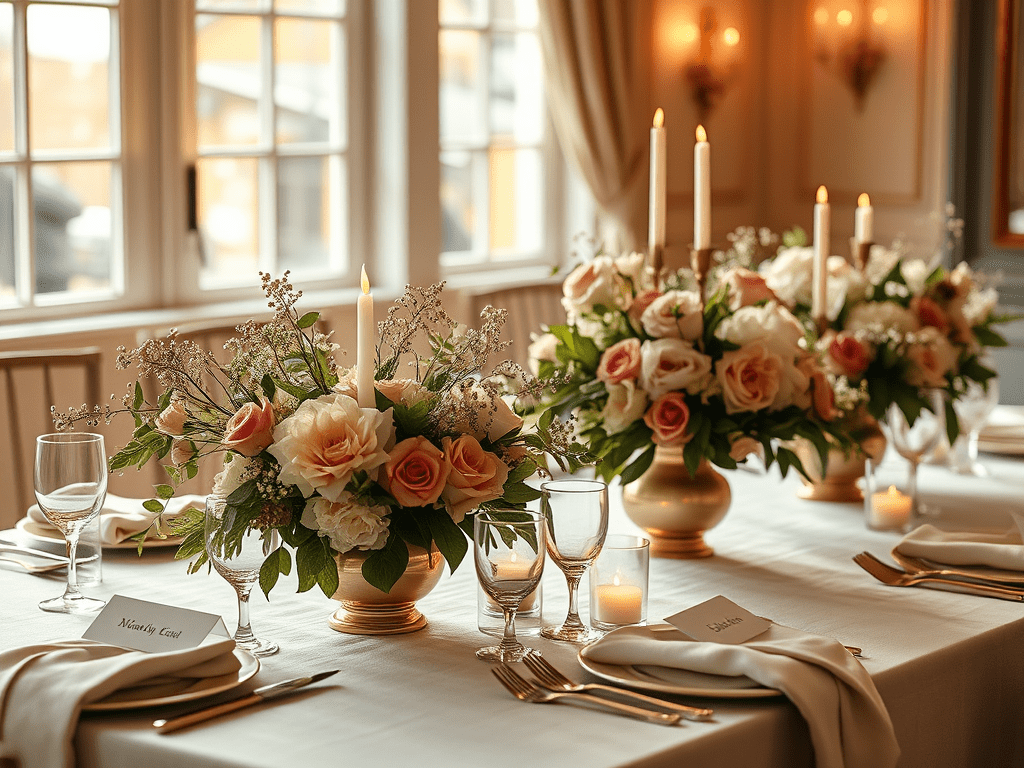
Planning an event, especially a wedding, is a monumental task that involves managing countless details, from venue selection to catering, decor, entertainment, and guest experience. Whether you’re an aspiring event planner, a bride-to-be, or just someone preparing to host a big event, this guide will take you through each stage of the planning process. We’ll cover the key considerations, expert tips, budget management, vendor selection, and more, to ensure your event is memorable and successful.
Introduction to Event Planning
Event planning is an intricate field that requires a blend of organizational skills, creativity, and people management. Weddings, in particular, hold special significance, involving high emotional stakes and a larger budget. A good planner’s role is to capture the essence of what the hosts envision and bring it to life seamlessly.
Planning an event of any scale—be it a wedding, corporate event, birthday, or charity gala—involves a series of interlocking decisions that together shape the outcome. From goal-setting to follow-up, successful event planning focuses on attention to detail and strategic decision-making.
Setting the Vision and Defining Goals
The first step is defining a clear vision. Begin by understanding what kind of experience the hosts want to create. For weddings, this involves personalizing details to reflect the couple’s personalities. Sit down with your clients or stakeholders to brainstorm ideas, covering aspects such as:
- Theme: Consider traditional, contemporary, vintage, or even destination themes.
- Tone: Decide on a formal, semi-formal, or casual tone.
- Color Schemes: Color can impact mood and cohesiveness.
- Guest Engagement: Decide if the focus will be on family, friends, or networking, depending on the event type.
Once the broad vision is clear, break it down into smaller, achievable goals to guide your planning process. Every decision should align with the overall theme and goals for a cohesive event.
Budget Planning
The budget dictates every part of the event. Inadequate budgeting can lead to last-minute surprises, overspending, or compromised quality. Here’s a step-by-step approach to crafting a feasible budget:
- Estimate Costs by Category: Break down the budget into categories like venue, food, decor, entertainment, photography, and transportation.
- Allocate Flexibly: Allocate more to high-priority areas (such as photography for weddings) and less to secondary items.
- Consider Hidden Costs: Remember extra charges like taxes, gratuities, permits, and post-event cleaning fees.
- Have a Contingency: Reserve 5-10% of the total budget for unforeseen expenses.
For weddings, personalizing details often requires creative budgeting, as unique elements like custom decor, hand-crafted invitations, or specialty food items may incur extra costs. Be clear on what’s essential and where compromises can be made.
Venue Selection
The venue sets the stage for the entire event, influencing logistics, atmosphere, and guest comfort. When choosing a venue, keep the following factors in mind:
- Capacity and Layout: Make sure the venue can comfortably accommodate the guest list.
- Location and Accessibility: For weddings, consider a venue that’s accessible to both families or provides accommodations nearby.
- Weather Considerations: For outdoor events, have backup options or invest in marquees to safeguard against unexpected weather changes.
- Venue Aesthetics: Consider if the venue aligns with the theme. For a rustic wedding, a barn or vineyard may be ideal, while a modern wedding might suit a hotel ballroom.
- Restrictions: Check if the venue has any restrictions on decor, outside vendors, or noise levels.
Vendor Coordination (Caterers, Photographers, Entertainment, etc.)
Working with vendors is one of the most crucial aspects of event planning. The quality of your vendors—caterers, photographers, florists, musicians, or DJs—can make or break an event.
- Vendor Research: Start by researching local vendors with expertise in your event type. Look for vendors with strong reviews and portfolios.
- Contracts and Deposits: Secure detailed contracts to avoid miscommunication. Always read terms carefully, including cancellation policies.
- Communication and Expectations: Communicate clear expectations and share the event’s vision. Providing mood boards or examples can help vendors align their services with your needs.
- Vendor Coordination: Create a timeline for when each vendor needs to arrive and set up. Ensure they know key details, like start times and the venue’s layout.
For weddings, consider prioritizing photography and catering, as these are areas where quality directly impacts guest experience and memories.
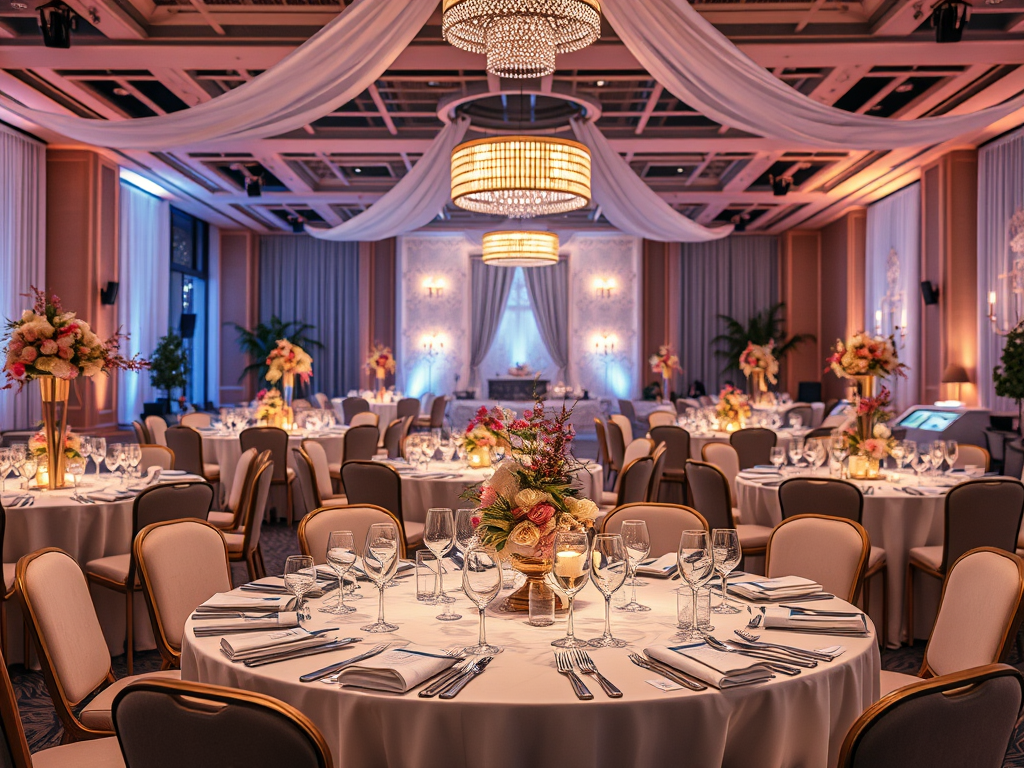
Event Design and Decor
Event decor brings the theme to life and creates an immersive experience. Design includes everything from floral arrangements to lighting and table settings. Here are some tips:
- Align with the Theme: Use decor elements that align with the event’s theme or the couple’s personalities. For instance, greenery and natural wood accents suit a rustic theme.
- Lighting: Lighting can transform a space. Soft, warm lighting often works well for weddings, while colored LED lights might suit corporate events or galas.
- Centerpieces and Tablescapes: Create centerpieces that don’t block sightlines across tables. For weddings, these can include personal touches, like photos of the couple or items with sentimental value.
- Seasonal Elements: Using seasonal flowers and colors not only helps the decor align with the natural setting but can also be more cost-effective.
- Guest Interaction Decor: Consider interactive decor like photo walls or custom signs for added engagement.
Guest Experience Management
Guest experience is the heart of any event, as attendees will remember how they felt more than anything else. Aim to create a comfortable and engaging environment:
- Personalized Invitations: Personalized invites set a warm, inviting tone from the beginning.
- Seating Arrangements: Thoughtfully planned seating can encourage social interaction. For weddings, ensure families are seated comfortably, and mix groups for lively conversation.
- Event Ambience: Background music, comfortable seating, and room temperature can subtly enhance guests’ enjoyment.
- Unique Entertainment: Consider options like photo booths, live music, entertainers for weddings, and interactive exhibits or workshops for corporate events.
- Attendee Comfort: Provide thoughtful extras, like welcome kits with essentials for destination weddings, or special dietary accommodations for diverse groups.
Event Timeline and Scheduling
A well-structured timeline ensures the event flows seamlessly from one activity to another, maximizing engagement and minimizing downtime.
- Create a Master Timeline: Include everything from setup to teardown. For weddings, a typical timeline includes the ceremony, reception, speeches, cake-cutting, and dance.
- Buffer Times: Build in buffer time for potential delays, especially between crucial parts of the event.
- Vendor Coordination: Make sure vendors know the timeline. Photographers should be briefed on key moments, like the cake-cutting or the first dance.
- Guest Flow: Keep in mind the guest journey and avoid periods of inactivity. For instance, during a wedding cocktail hour, provide light entertainment or food stations to keep guests occupied.
- Be Flexible: While the timeline is essential, being adaptable to spontaneous moments is equally important. Flexibility can often lead to memorable, candid experiences.
Day of Coordination
On the event day, coordination is essential to guarantee everything goes as planned. If possible, hire an event coordinator to handle this. Key day-of coordination tips include:
- Final Checklist: Double-check all elements—decor, seating, tech setups, and vendor arrival times.
- Vendor Point of Contact: Have one designated contact (preferably not the host) to handle vendor questions and troubleshoot issues.
- Last-Minute Adjustments: Prepare for potential challenges, like weather changes or timeline shifts.
- Guest Assistance: Have ushers or assistants guide guests, answer questions, and handle any emergencies.
- Capture the Day: Arrange for video or photography coverage that captures every moment for memories that will last.
For weddings, this may include ensuring the bridal party is prepared, coordinating music cues, and guiding guests from the ceremony to the reception seamlessly.
Wrapping Up and Post-Event Follow-Up
Once the event concludes, there’s still work to be done in the form of post-event tasks:
- Clean-Up and Returns: Coordinate cleanup with vendors, and arrange for the return of rentals or borrowed items.
- Thank-You Notes: Sending thank-you notes to guests, vendors, and helpers is a courteous final touch.
- Feedback Collection: For corporate events, feedback can provide valuable insights for future improvement. For weddings, a simple “thank you for attending” message shows appreciation.
- Event Review: Reflect on what went well and any challenges encountered. Use this review to improve processes for future events.
Conclusion
Planning a successful event, especially a wedding, is both an art and a science. From setting a clear vision and budget to selecting the right vendors and designing beautiful decor, the key lies in careful coordination and attention to detail. While every event comes with its unique set of challenges, the steps outlined in this guide can help you navigate the process with confidence.
Whether you’re an experienced planner or embarking on planning your first event, the reward lies in seeing your vision come to life and knowing that every element contributed to creating lasting memories for everyone involved.
 Luckey Signature Services